
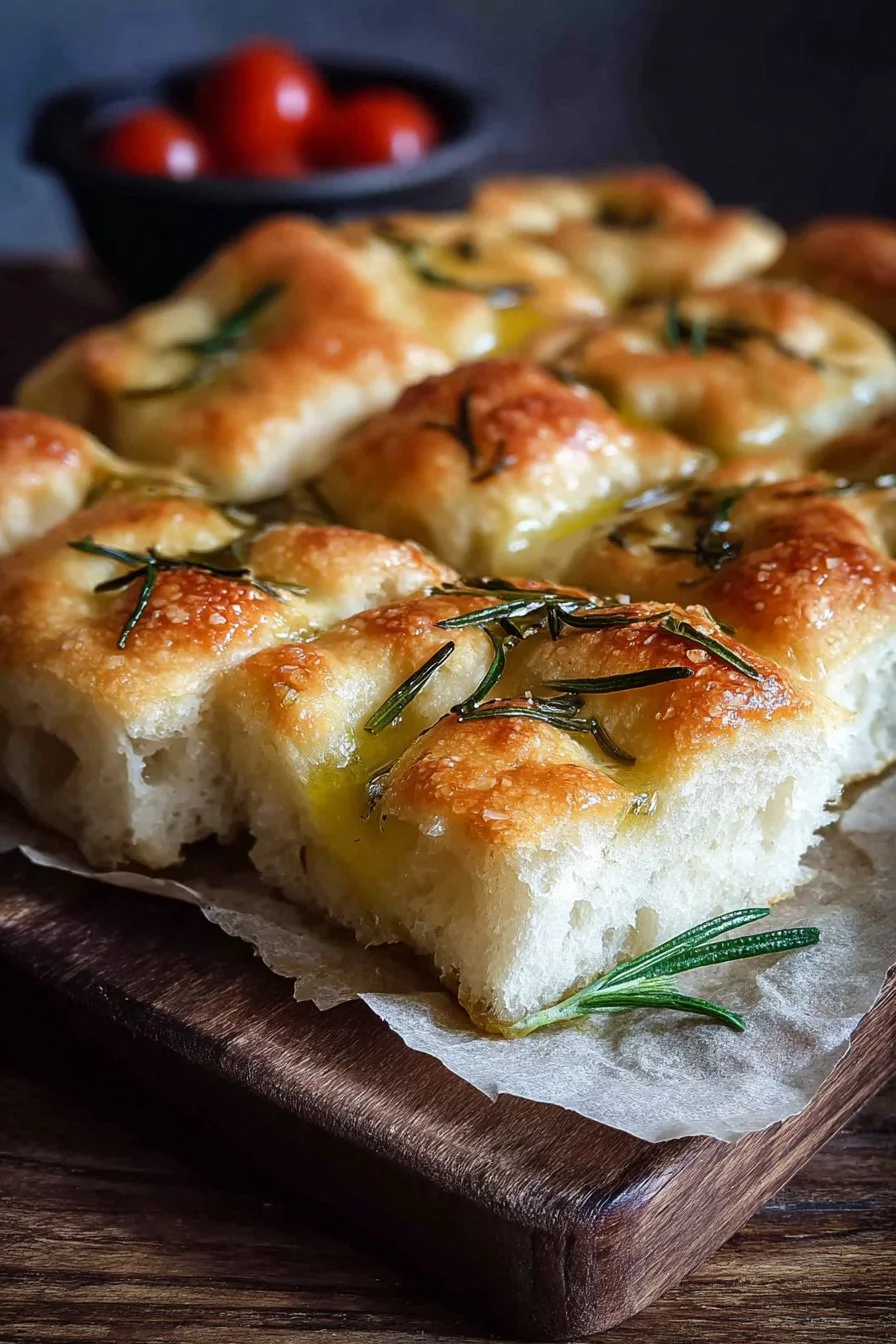
This mini focaccia is all about big flavor with almost no fuss: a crisp, golden crust studded with juicy cherry tomatoes, fragrant rosemary, and those irresistible dimples filled with olive oil and sea salt. The interior is soft and slightly chewy from a long, slow proof, giving you a bakery-style crumb without kneading or complicated equipment. It’s comforting, savory, and perfect warm from the skillet alongside a bowl of soup or as the star of a casual brunch. Make it ahead and finish it before guests arrive, or proof quickly if you’re short on time — either way you’ll end up with a rustic, impressive little loaf. If you love simple bread projects, you might also enjoy exploring a few different no-knead methods like this mini no-knead focaccia recipe for inspiration.
Why You’ll Love This Mini No-Knead Focaccia
- No kneading required: mix, proof, and bake — perfect for beginners or busy cooks.
- Deep olive oil flavor and crisp edges with a soft, airy interior.
- Quick version or long fridge ferment — flexibility for your schedule.
- Small, skillet-sized loaf: great for individual servings or tight ovens.
- Endless topping possibilities with pantry staples: tomatoes, rosemary, and flaky sea salt shine.
- Minimal ingredients and effort produce bakery-quality results.
- Ideal for soups, salads, sandwiches, or as an impressive appetizer.
- Easy to double or adjust for more loaves when feeding a crowd.
What Is Mini No-Knead Focaccia?
Mini no-knead focaccia is a small, rustic Italian flatbread made with a simple, sticky dough that doesn’t require any kneading. It’s flavored with olive oil, dotted with dimples across the surface, and typically finished with herbs and coarse salt. Taste-wise, you’ll get a satisfying contrast: a crunchy, golden exterior and a pillowy, open crumb inside that soaks up oil and toppings. The cooking method uses a shallow skillet or small pan lined with parchment, letting the dough rise in the pan before baking at a very hot temperature to get that classic focaccia crust. This little focaccia is a relaxed, comforting bread — perfect for weeknight dinners, brunch spreads, or as a casual appetizer at gatherings. If you enjoy other no-knead approaches, you can compare techniques such as the no-knead Dutch oven style to learn how different methods change crust and crumb texture: Dutch oven no-knead bread uses enclosed steam for a different crust profile.
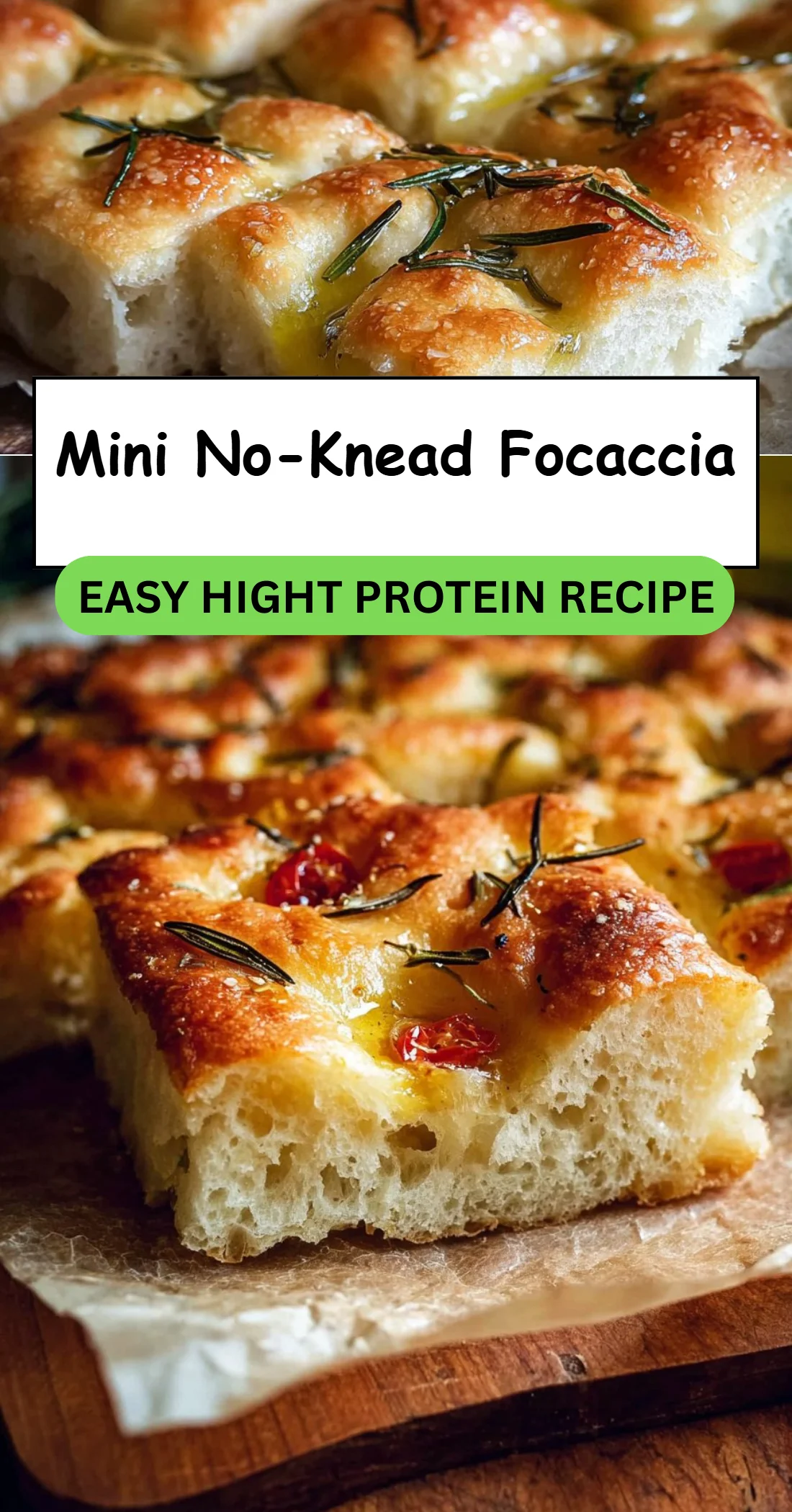
Ingredients for Mini No-Knead Focaccia
For the Dough
- 1/2 cup Water (lukewarm)
- 1/2 + 1/8 tsp Active dry yeast
- 1/2 tsp Sugar
- 1 cup All-purpose flour
- 1/2 tsp Salt
For Finishing
- 4 tsp Olive oil (total; used during fermentation, in the pan, and on top)
- Cherry tomatoes (enough to scatter across the top)
- Fresh rosemary (sprigs or chopped leaves)
- Sea salt flakes (or coarse sea salt)
Tools
- Parchment paper (to line the skillet or pan)
Ingredient Notes (Substitutions, Healthy Swaps)
- Active dry yeast: If you only have instant yeast, use slightly less (a scant 1/2 tsp) and mix it straight into the flour. The recipe’s timing is flexible, so the substitution works fine.
- Flour swaps: For gluten-free needs, try a 1:1 gluten-free baking flour blend designed for breads. Expect a denser crumb and possibly slightly different hydration; you may need an extra teaspoon or two of water.
- Olive oil alternatives: Extra-virgin olive oil gives the best flavor. For a milder profile, use regular olive oil or a high-heat neutral oil, but the signature taste will be different.
- Lower-sodium option: Reduce the 1/2 tsp salt in the dough and skip or lightly sprinkle the sea salt flakes on top to control overall sodium.
- Cherry tomato alternatives: Thinly sliced plum or grape tomatoes work equally well. If using larger tomatoes, slice them thin and pat dry so they don’t weigh the dough down.
Step-by-Step Instructions
Step 1 – Activate the Yeast
- Stir the yeast and sugar into lukewarm water and let it sit until foamy.
Visual cue: The surface should develop small bubbles and a slightly creamy foam in about 5–10 minutes, showing the yeast is alive.
Step 2 – Mix the Dry Ingredients
2. Combine the flour and salt in a bowl, then pour the yeast mixture into the flour and mix until a sticky dough forms.
Visual cue: The dough will be shaggy and tacky — not smooth. That’s normal for a no-knead dough.
Step 3 – Oil and First Proof
3. Pour 1 tsp of olive oil on the dough, cover, and refrigerate for 18–24 hours, or let it proof in a warm spot for 1.5–2 hours until doubled in size.
Pro cue: Long, slow fermentation in the fridge develops better flavor; the quick rise works if you’re in a hurry.
Step 4 – Shape and Second Proof
4. Line the skillet with parchment paper and add 2 tsp of olive oil to the center. Fold the proofed dough gently and transfer it to the prepared pan. Cover and let it proof again in a warm place for 1–2 hours until it doubles in size and fills the pan.
Visual cue: The dough should spread to fill most of the pan and look puffy and airy.
Step 5 – Top and Bake
5. Preheat the oven to 250°C (482°F). Pour the remaining olive oil on the dough, spread it, make dimples with your fingers, and top with rosemary, cherry tomatoes, and sea salt flakes. Bake for 20–25 minutes until golden brown and crisp.
Pro cue: Use the tip of your fingers to create deep dimples — they trap oil and toppings for classic focaccia pockets.
Step 6 – Rest and Serve
6. Let the bread rest in the pan for 5 minutes before turning it out onto a cooling rack. Slice and enjoy.
Visual cue: The focaccia should release easily from the parchment and have a glossy, golden top with caramelized edges.
Pro Tips for Success
- Temperature control: Use lukewarm water (about 100–110°F / 37–43°C) to activate yeast without killing it.
- Patience pays: A slow refrigerator ferment improves flavor and texture; plan ahead if you can.
- Don’t over-handle: Fold gently when transferring the dough — no kneading required.
- Dimple deeply: Make pronounced dimples so olive oil pools and gives those signature soft pockets under the toppings.
- Hot oven is key: A high baking temperature creates a crisp exterior while keeping the inside tender.
- Use parchment: It prevents sticking and makes transferring the focaccia in and out of the skillet effortless.
- Check for doneness: Look for a deep golden-brown top and crispy edges; underbaked focaccia will be pale and doughy inside.
- Flaky salt at the end: Add sea salt flakes after dimpling — they deliver that bright, crunchy finishing touch.
Flavor Variations (OPTIONAL)
- Herby garlic: Sprinkle minced garlic or garlic flakes with the rosemary before baking (use sparingly to avoid burning).
- Olive-studded: Scatter halved olives across the top for a Mediterranean twist.
- Spicy lemon: Add thin lemon zest and a pinch of red pepper flakes with rosemary for a bright, spicy note.
- Sweet-tomato finish: Drizzle a touch of honey or balsamic glaze after baking for a sweet-savory contrast.
- Cheese addition (optional): Scatter a light handful of grated parmesan or pecorino on top just before the end of baking for a savory crust.
- Veg-forward: Add thin slices of bell pepper or shallot, but pat them dry to avoid soggy spots.
Serving Suggestions
- Soup companion: Serve warm with a bowl of tomato soup or a hearty vegetable stew.
- Brunch board: Slice into strips and include with cheeses, cured vegetables, and a simple salad.
- Sandwich base: Split and use as rustic focaccia sandwiches with greens and your favorite fillings.
- Appetizer: Cut into bite-sized squares and top with ricotta and a drizzle of olive oil for a party plate.
- Dipping plate: Serve with extra virgin olive oil and balsamic vinegar for dipping.
- Picnic pick: Pack cooled slices for an easy portable lunch or snack.
Make-Ahead, Storage & Reheating
- Make-ahead: You can complete the first refrigerate proof (18–24 hours) ahead of time; shape and second proof just before baking.
- Refrigerator storage: Store cooled focaccia wrapped tightly in plastic wrap or in an airtight container for up to 2 days.
- Reheating: Reheat slices in a 350°F (175°C) oven for 5–8 minutes to refresh crispness. For single slices, a hot skillet for 1–2 minutes per side works great.
- Texture notes: Bread will soften over time as it absorbs moisture. Re-crisp with a short bake or skillet sear before serving.
Storage and Freezing Instructions
- Freezing: This focaccia freezes well if you wrap it tightly. Cool completely, then wrap in plastic and foil or place in a heavy-duty freezer bag. Freeze for up to 1 month.
- Thawing: Thaw in the refrigerator overnight or at room temperature for a few hours, then reheat in a 350°F oven for 8–10 minutes to restore crispness.
- If you prefer not to freeze: Slice and store at room temperature for immediate 1–2 day use, or transform older slices into croutons by baking until very crisp.
Nutrition Facts (Per Serving)
| Calories | Protein | Carbs | Fat | Fiber | Sodium |
|———|——–|——|—–|——|——-|
| 161 kcal | 3.5 g | 25 g | 4.8 g | 1.2 g | 340 mg |
Nutrition values are estimates and may vary depending on ingredients and portion sizes.
FAQ About Mini No-Knead Focaccia
Q: My dough didn’t rise — what happened?
A: The yeast may have been old or the water too hot/cold. Always use lukewarm water and fresh yeast — you should see foam after activating.
Q: Why is my focaccia dense?
A: Underproofing is the most common cause. Let the dough double during each proof (first and second) for a lighter crumb.
Q: Can I bake this in a different pan?
A: Yes — any small skillet or pan lined with parchment will work, though baking time may vary slightly with pan size and material.
Q: How do I know when it’s done?
A: The top should be a deep golden brown and the edges crisp. The interior should feel set when pressed lightly.
Q: Can I add cheese or additional toppings?
A: Yes — add sparingly to avoid weighing down the dough. Add cheese near the end of baking if you want it browned but not burnt.
Q: What’s the best way to reheat leftovers?
A: Reheat in a 350°F oven for 5–8 minutes or crisp a slice in a hot skillet for a minute per side.
Notes
- Serve warm for the best texture and flavor; a quick reheat will revive day-old focaccia.
- Finish with a drizzle of good olive oil and a few extra rosemary leaves for presentation.
- Press toppings lightly into the dimples so they stay put during baking.
- If you like a punchier herb flavor, chop the rosemary fine and mix a few leaves into the dough before the second proof.
- For even browning, rotate the pan halfway through baking if your oven has hot spots.

Mini No-Knead Focaccia
- Total Time: 85 minutes
- Yield: 4 servings
- Diet: Vegetarian
Description
A simple, rustic Italian flatbread that requires no kneading, featuring a crisp crust and soft interior, topped with cherry tomatoes and rosemary.
Ingredients
- 1/2 cup Water (lukewarm)
- 1/2 + 1/8 tsp Active dry yeast
- 1/2 tsp Sugar
- 1 cup All-purpose flour
- 1/2 tsp Salt
- 4 tsp Olive oil (total; used during fermentation, in the pan, and on top)
- Cherry tomatoes (enough to scatter across the top)
- Fresh rosemary (sprigs or chopped leaves)
- Sea salt flakes (or coarse sea salt)
Instructions
- Stir the yeast and sugar into lukewarm water and let it sit until foamy.
- Combine the flour and salt in a bowl, then pour the yeast mixture into the flour and mix until a sticky dough forms.
- Pour 1 tsp of olive oil on the dough, cover, and refrigerate for 18–24 hours, or let it proof in a warm spot for 1.5–2 hours until doubled in size.
- Line the skillet with parchment paper and add 2 tsp of olive oil to the center. Fold the proofed dough gently and transfer it to the prepared pan. Cover and let it proof again in a warm place for 1–2 hours.
- Preheat the oven to 250°C (482°F). Pour the remaining olive oil on the dough, create dimples, and top with rosemary, cherry tomatoes, and sea salt flakes. Bake for 20–25 minutes until golden brown and crisp.
- Let the bread rest in the pan for 5 minutes before turning it out onto a cooling rack. Slice and enjoy.
Notes
Serve warm for the best texture and flavor; reheat day-old focaccia for freshness.
- Prep Time: 60 minutes
- Cook Time: 25 minutes
- Category: Bread
- Method: Baking
- Cuisine: Italian