
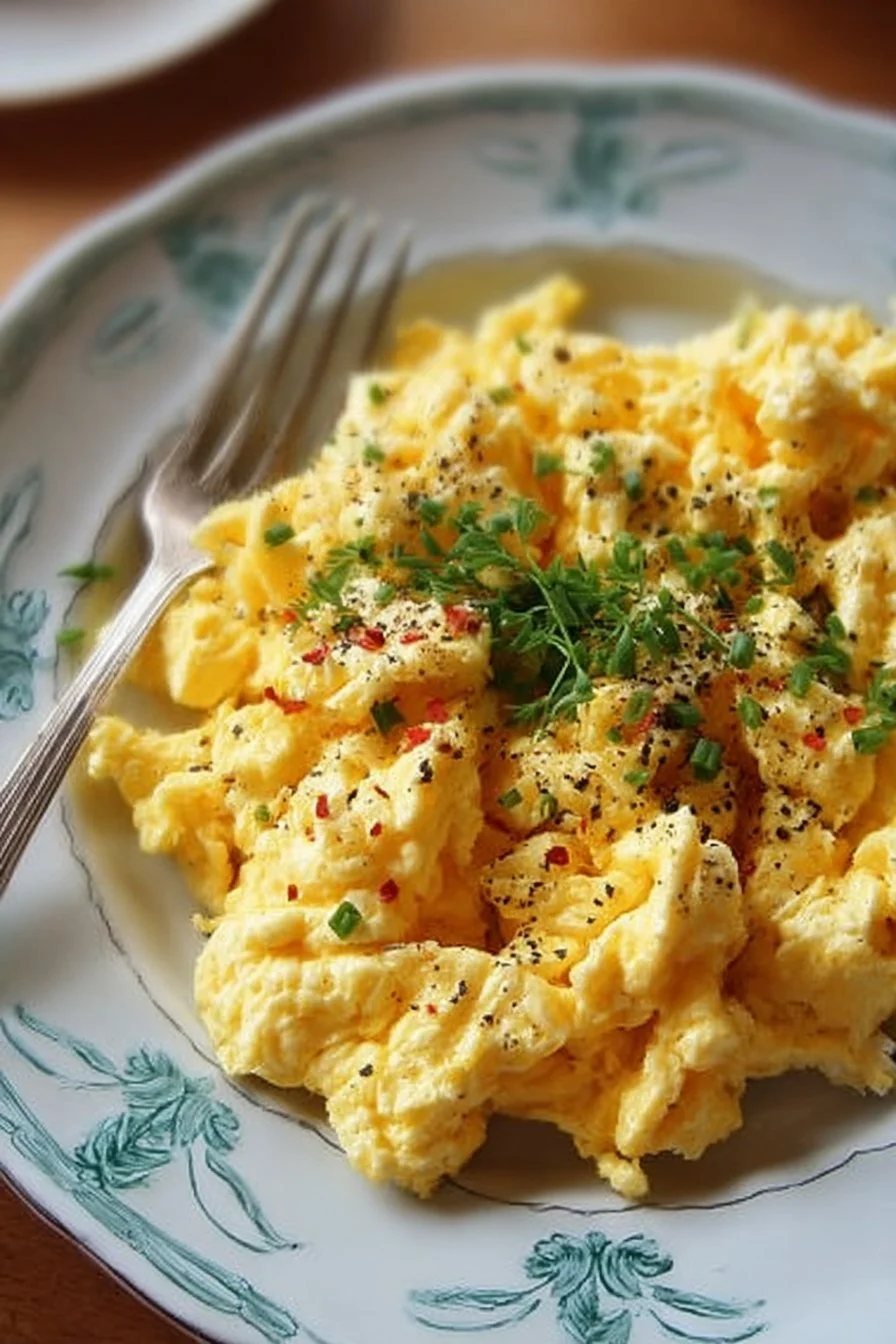
Two eggs, a splash of cottage cheese, a pat of butter — and you’ve got a creamy, protein-packed scramble that comes together in minutes. This Homemade Cottage Cheese Scrambled Eggs recipe from Flirty Food gives ordinary scrambled eggs a silky lift without cream or heavy dairy. It’s a weekday staple when you want something quick, filling, and a little more interesting than plain eggs. If you enjoy brightening simple breakfasts with unexpected textures, you’ll appreciate how cottage cheese melts into the eggs while still keeping a pleasant tang. For a different kind of weekend comfort, try pairing this light scramble with a savory side like baked cream cheese chicken taquitos.
Why you’ll love this dish
Cottage cheese scrambled eggs are an easy, protein-forward upgrade to classic scrambled eggs. The curds add body and moisture so you don’t need cream, and the result is fluffy yet slightly tangy. This dish is perfect for:
- Busy mornings when you need a fast, nutritious breakfast.
- Low-carb or high-protein meals that still feel indulgent.
- Light brunches when you want something simple but elegant.
“I make these whenever I want a quick breakfast that feels homemade — creamy, not rubbery, and done in under 10 minutes.” — happy home cook
The recipe is also budget-friendly and kid-approved; the mild flavor of cottage cheese blends well with herbs or a little ketchup if kids prefer it.
The cooking process explained
Quick overview before you start: whisk eggs lightly, fold in cottage cheese and seasonings, heat butter in a nonstick skillet, then scramble gently over low heat until curds form and eggs are just set. The low-and-slow finish is what keeps them tender rather than dry.
Why that method works:
- Low heat prevents overcooking and yields creamier curds.
- Adding cottage cheese before cooking integrates moisture and protein, so the eggs don’t need extra dairy.
- Finishing off the pan off the heat helps residual warmth bring the eggs to doneness without carryover cooking.
What you’ll need
- 2 large eggs
- 1/3 cup cottage cheese (small- or medium-curd; full-fat for richer texture)
- 1/8 teaspoon salt
- 1/8 teaspoon black pepper
- 1 teaspoon butter
- Pinch of garlic powder
Substitutions and notes:
- Greek yogurt (2–3 tablespoons) can replace cottage cheese for a smoother texture.
- Use olive oil instead of butter for a dairy-free version, though the flavor changes.
- For lower sodium, use unsalted butter and omit additional salt until tasting.
How to prepare it
- Crack the eggs into a small bowl and whisk lightly until combined — you want a little streaking, not a froth.
- Stir in the cottage cheese, salt, pepper, and a pinch of garlic powder. Fold gently so curds remain intact.
- Heat a small nonstick skillet over low heat and melt the teaspoon of butter, swirling to coat.
- Pour the egg and cottage cheese mixture into the warm pan.
- Let the eggs sit for 15–20 seconds, then use a silicone spatula to gently pull curds from the edges to the center.
- Continue to move the eggs slowly, cooking until they’re mostly set but still slightly glossy. Remove the pan from the heat — the residual warmth will finish cooking.
- Taste and adjust seasoning. Serve immediately.
Timing tip: from start to finish this takes about 6–8 minutes, most of which is hands-off.
Best ways to enjoy it
This scramble is versatile and pairs well with many sides and toppings:
- Toasted sourdough or an everything bagel for a classic combo.
- Halved cherry tomatoes and fresh chives or dill for brightness.
- Avocado slices and a squeeze of lime for a creamy, fresh contrast.
- For heartier brunch boards, pair it with something meaty like beef and cheese chimichangas.
Plate it simply: a shallow mound on warm plates, scatter herbs on top, and offer hot sauce or salsa on the side.
Storage and reheating tips
- Refrigerator: Store leftovers in an airtight container for up to 3–4 days. Cool to room temperature for no more than 2 hours before refrigerating.
- Freezing: Cooked eggs with cottage cheese do not freeze well — texture becomes watery and grainy. Avoid freezing this dish.
- Reheating: Reheat gently in a nonstick skillet over low heat with a teaspoon of butter or a splash of milk to restore creaminess. Microwave reheating is acceptable for 20–30 second bursts, stirring in between, but watch for rubbery texture.
Food safety note: always refrigerate promptly and discard if left out longer than 2 hours (1 hour above 90°F).
Helpful cooking tips
- Use low heat: The single most important step to keep eggs tender is to cook them slowly over low heat.
- Don’t over-whisk: Over-aerated eggs can become dry. Lightly beaten yields creamier curds.
- Curds vs. custard: If you prefer a more uniform texture, mash cottage cheese a little with the back of a spoon before adding.
- Season at the end: Salt early to taste, but finishing with a final pinch after cooking ensures the seasoning is balanced.
- Nonstick pan and silicone spatula: These tools make folding and removing the eggs much easier and reduce sticking.
Creative twists
- Herbed: Add chopped chives, parsley, or tarragon right at the end for brightness.
- Spicy: Fold in a teaspoon of sriracha or top with a sprinkle of red pepper flakes.
- Mediterranean: Stir in a tablespoon of crumbled feta and a few chopped sun-dried tomatoes.
- Vegetarian protein boost: Stir in a handful of baby spinach just before taking the eggs off the heat so it wilts gently.
- Dairy-free alternative: Swap cottage cheese for mashed silken tofu and use olive oil instead of butter; season with kala namak for eggy sulfur notes.
Common questions
Q: Can I use large-curd cottage cheese or should I choose small-curd?
A: Small- or medium-curd works best for a smoother mouthfeel; large-curd is fine but you may notice chunkier texture. If using large-curd, press it lightly against the bowl to break curds down slightly.
Q: How long does this take to cook?
A: From whisking to plating, expect 6–8 minutes. Active cooking time is about 3–4 minutes on low heat.
Q: Is this recipe high in protein?
A: Yes. Two eggs plus 1/3 cup cottage cheese provides a solid protein boost — roughly 18–22 grams depending on the cottage cheese brand.
Q: Can I make this ahead for meal prep?
A: You can refrigerate cooked eggs for up to 3–4 days, but texture changes mean they’re best eaten fresh. If meal prepping, store components separately (eggs and add-ins) and reheat gently.
Q: Any tips for kids or picky eaters?
A: Blend cottage cheese thoroughly into the eggs for a milder profile, and serve with familiar sides like toast or fruit. Mild cheeses like mozzarella can help transition picky eaters.
If you want variations, tips, or ideas for turning this into a sandwich or wrap, tell me how you like your eggs and I’ll suggest the best upgrade.
Print
Homemade Cottage Cheese Scrambled Eggs
- Prep Time: 3 minutes
- Cook Time: 5 minutes
- Total Time: 8 minutes
- Yield: 1 serving
- Category: Breakfast
- Method: Stovetop
- Cuisine: American
- Diet: High-Protein, Low-Carb
Description
A creamy, protein-packed twist on classic scrambled eggs using cottage cheese for added texture and flavor.
Ingredients
- 2 large eggs
- 1/3 cup cottage cheese (small- or medium-curd; full-fat for richer texture)
- 1/8 teaspoon salt
- 1/8 teaspoon black pepper
- 1 teaspoon butter
- Pinch of garlic powder
Instructions
- Crack the eggs into a small bowl and whisk lightly until combined.
- Stir in the cottage cheese, salt, pepper, and garlic powder; fold gently.
- Heat a small nonstick skillet over low heat and melt the butter, swirling to coat.
- Pour the egg mixture into the warm pan.
- Let sit for 15–20 seconds, then gently pull curds from edges to the center.
- Continue cooking until eggs are mostly set but still glossy. Remove from heat and let residual warmth finish cooking.
- Taste and adjust seasoning, serve immediately.
Notes
For dairy-free, use olive oil instead of butter. Greek yogurt can be substituted for a smoother texture.