
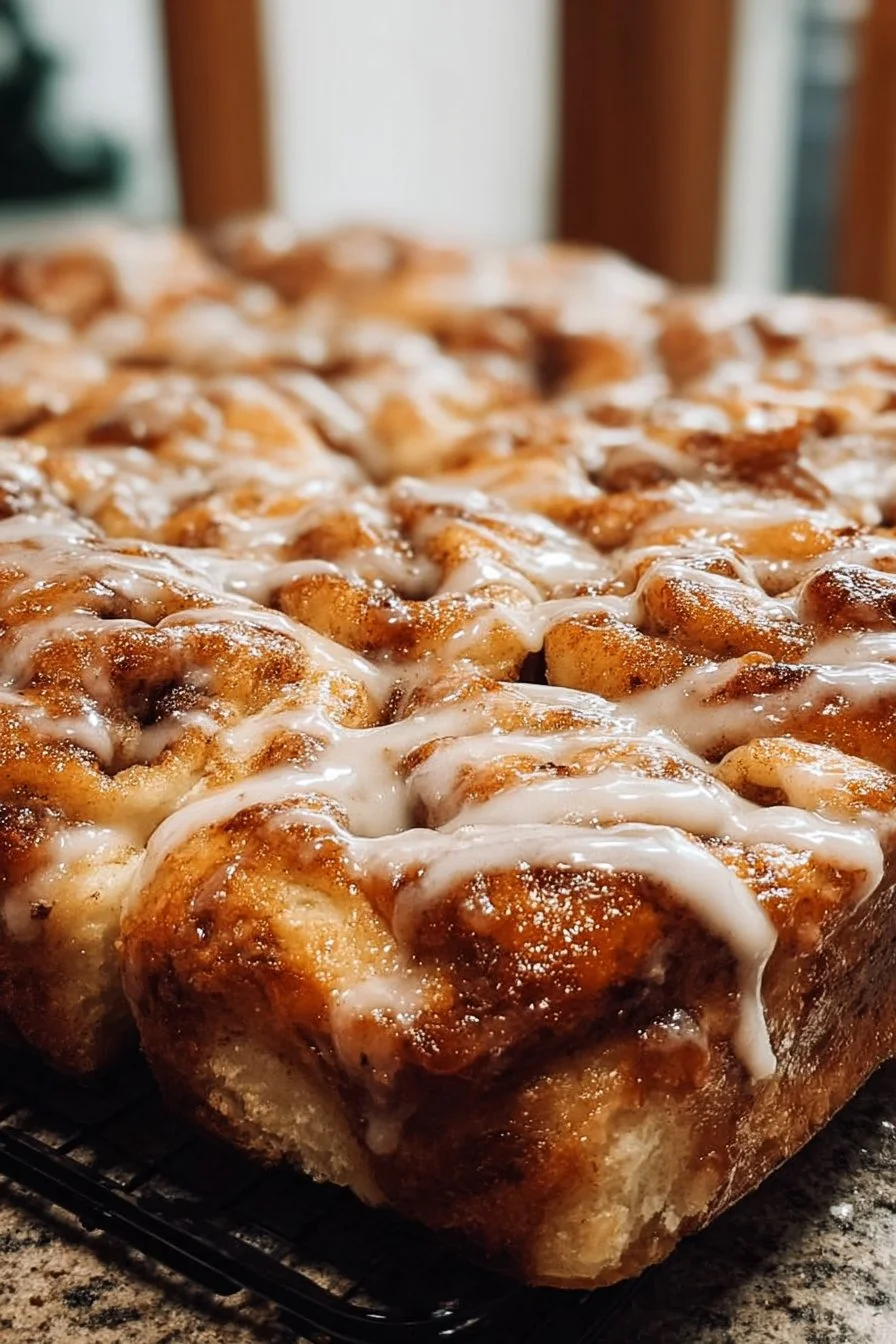
Warm, pillowy focaccia meets the gooey spiral of a cinnamon roll in this playful sourdough bake — sweet, buttery layers built into the rustic bubbles and dimples of focaccia. It’s a recipe that’s at once weekend-worthy and great for feeding a crowd: make it for brunch, take it to a potluck, or slice it warm and serve with coffee. If you enjoy inventive comfort foods and hybrid treats, this is in the same playful vein as crispy crab rangoon egg rolls, a fun reminder that familiar formats can be deliciously remixed.
Why you’ll love this dish
This Sourdough Cinnamon Roll Focaccia gives you the tang and texture of a long-fermented dough with the comforting flavors of butter, brown sugar, and cinnamon — all in a sheet-pan format that’s shareable and easier to handle than individual rolls.
"Soft, airy pockets of sourdough with sticky ribbons of cinnamon butter — like a cinnamon roll that decided to go to a focaccia party." — a tester’s quick take
Reasons to try it:
- Crowd-pleasing format: feeds many without the fuss of rolling individual buns.
- Depth of flavor: overnight refrigeration amplifies sourdough complexity.
- Textural contrast: crisp edges and a tender, aerated crumb that soaks up glaze beautifully.
- Flexible timing: bulk ferment + overnight rest lets you stagger work across two days.
Step-by-step overview
Before you start: this recipe stretches across two days (a same-day option exists if you’re short on time). The main stages are:
- Mix starter, water, and honey; add flour and salt to form a shaggy dough.
- Rest, then do stretch-and-folds to build strength.
- Bulk ferment 4–6 hours, then chill 8–12 hours for flavor.
- Warm slightly, shape into a 9×13 pan, proof until puffy, top with cinnamon-butter paste, dimple, and bake.
- Drizzle with a simple powdered sugar glaze and serve warm.
Expect hands-on time of ~30–45 minutes spread over the process, with passive fermentation filling most of the clock.
What you’ll need
- 1 cup (240 g) active sourdough starter, fed and bubbly (see note)
- 1 1/2 cups (360 g) warm water (about 75–80°F / 24–27°C)
- 1 tbsp (13 g) honey
- 4 cups (500 g) all-purpose flour
- 2 tsp (12 g) salt
- 1/2 cup (113 g) unsalted butter, melted
- 3/4 cup (150 g) brown sugar
- 2 tbsp (16 g) ground cinnamon
- 1 cup (120 g) powdered sugar
- 2–3 tbsp milk (adjust for glaze consistency)
- 1/2 tsp vanilla extract
Ingredient notes and swaps:
- Active starter: must be bubbly and recently fed for predictable rise; if yours is older, feed 4–8 hours before mixing.
- Butter: melted for the cinnamon paste; you can brown it for a nuttier flavor.
- Milk: whole milk gives a silkier glaze; non-dairy milks (almond, oat) work fine for a dairy-free finish.
- For a slightly healthier loaf, replace up to 1 cup flour with whole wheat, but expect a denser crumb.
Step-by-step instructions
- Mix the levain and liquid: In a large bowl, whisk together the active starter, warm water, and honey until the honey dissolves.
- Add flour + salt: Stir in the flour and salt until a rough, shaggy dough forms and no dry patches remain.
- Bulk rest: Cover and let rest 30 minutes at room temperature (autolyse).
- Build structure with stretch-and-folds: Wet your hands to prevent sticking. Reach under the dough, stretch an edge up and fold it over the center. Turn the bowl 90° and repeat for a total of four folds. Cover.
- First rise: Let the dough rise 4–6 hours at room temp, until puffed and showing visible air bubbles.
- Cold ferment: Refrigerate the covered bowl for 8–12 hours to develop deeper sour notes and better flavor.
- Warm up and prep pan: Next day, take dough from fridge and let sit 1–2 hours to take the chill off. Line a 9×13 inch baking sheet with parchment.
- Shape gently: Transfer dough to pan and coax it out from the center to the corners. If it resists and springs back, let it rest 10 minutes and try again.
- Final proof: Cover and let rise 2–3 hours until puffy and full of air bubbles.
- Preheat oven: Heat to 400°F (200°C) while you prepare the topping.
- Cinnamon-butter paste: In a small bowl, combine the melted butter, brown sugar, and cinnamon into a thick paste. If it’s very loose, chill a minute to firm.
- Top and dimple: Drizzle the paste over the dough, then use your fingertips to make deep dimples and swirl the paste into the pockets.
- Bake: Bake 20–25 minutes until golden brown and the underside sounds hollow when tapped. Watch the paste — it’ll caramelize quickly.
- Make the glaze: While it bakes, whisk powdered sugar, milk, and vanilla until smooth and drizzly (aim for honey-like consistency).
- Finish and serve: Cool the focaccia 10 minutes, then drizzle generously with glaze. Serve warm for best contrast between crisp edges and gooey interior.
Pro timing tip: If you’re baking for brunch, mix the dough the evening before, refrigerate overnight, shape in the morning, then allow the final proof and bake mid-morning.
Best ways to enjoy it
- Slice into squares and serve warm alongside coffee or spiced lattes.
- Turn it into a dessert plate: add whipped cream and fresh berries for a brunch treat.
- For a decadent brunch board: pair with soft cheeses, sliced apples, and honey.
- Leftover idea: warm thin slices in a toaster oven, then spread with mascarpone or cream cheese and a dusting of cinnamon.
Storage and reheating tips
- Room temp: Store in an airtight container or wrapped tightly at room temperature for up to 2 days.
- Refrigerator: Keep for up to 5 days wrapped in foil and stored in a sealed container. The butter and sugar can begin to crystallize, so gently reheat before serving.
- Freezer: Freeze cooled, sliced pieces in a single layer on a sheet tray, then transfer to a freezer bag for up to 2 months. Thaw at room temp and reheat in a 350°F (175°C) oven for 8–12 minutes.
- Reheating: For best texture, reheat in a 350°F oven for 8–12 minutes until warm and slightly crisp at the edges. Microwave will make it soft and gummy — use only for a 10–15 second quick warm if necessary.
Food safety note: Because this contains dairy (butter/milk), follow refrigerator storage times if you won’t consume within the first 48 hours.
Pro chef tips
- Starter strength matters: Use a lively, active starter for reliable lift. If unsure, float-test a spoonful in water — if it floats, it’s ready.
- Hydration and stickiness: This dough is tacky — resist adding extra flour. Use wet hands when handling to reduce sticking.
- Dimples are flavor: Press deeply so the cinnamon paste pools in the pockets; those pockets caramelize for the best bites.
- Browning without burning: If edges brown too quickly, tent loosely with foil after 15 minutes.
- Shallow pan vs deep: A 9×13 gives a thin, pizza-like focaccia; for a thicker, pull-apart result, use a smaller pan but increase bake time slightly and check doneness often.
Creative twists
- Nutty crunch: Sprinkle toasted pecans or sliced almonds over the cinnamon paste before baking.
- Fruit add-ins: Layer thinly sliced apples or pears into the topping for a tart contrast.
- Maple glaze: Swap vanilla milk glaze for a maple glaze (use maple syrup + powdered sugar) for deeper autumnal notes.
- Vegan/dairy-free: Use vegan butter and a non-dairy milk for the glaze.
- Savory-sweet hybrid: Omit powdered sugar drizzle and top some sections with sea salt and a drizzle of olive oil for a sweet-and-salty twist.
- Brunch spread idea: For a mixed savory and sweet board, serve alongside sushi-style bites like homemade dragon rolls to bridge textures and flavors.
Common questions
Q: How long does this take start-to-finish?
A: Active hands-on time is about 30–45 minutes; total wall-clock time is roughly 24 hours including an 8–12 hour cold ferment. If you skip the overnight chill, you can finish in about 8–10 hours but with less developed sour flavor.
Q: Can I use an inactive or refrigerated starter?
A: It’s best to use an active, recently fed starter. If your starter was refrigerated, feed it and let it become bubbly (4–8 hours at room temp) before mixing. Using an inactive starter will slow fermentation and may prevent proper rise.
Q: What if my dough is very sticky and impossible to shape?
A: Keep your hands wet and work gently. If it’s incredibly slack, give it 10–15 minutes to relax; a light dusting of flour on your work surface (not the dough) can help nudge it into the pan without overworking.
Q: Can I make this without sourdough — using commercial yeast?
A: Yes — use 2 1/4 tsp (one packet) instant yeast, dissolve in the warm water with honey, and skip the cold bulk ferment. Expect faster rises and less tang; adjust proofing to the dough doubling.
Q: Is the glaze necessary?
A: The glaze adds brightness and sweetness, but you can omit it for a less-sweet, more caramelized finish. A light dusting of powdered sugar works too.
Q: How can I tell when it’s done?
A: It should be golden brown, feel set at the surface, and sound hollow when you gently tap the bottom. Internal temperature for fully baked enriched dough is around 190–200°F (88–93°C).

Sourdough Cinnamon Roll Focaccia
- Total Time: 600 minutes
- Yield: 12 servings
- Diet: Vegetarian
Description
A delightful fusion of sourdough focaccia and cinnamon rolls, this sweet and buttery bake is perfect for brunch or gatherings.
Ingredients
- 1 cup (240 g) active sourdough starter, fed and bubbly
- 1 1/2 cups (360 g) warm water (about 75–80°F / 24–27°C)
- 1 tbsp (13 g) honey
- 4 cups (500 g) all-purpose flour
- 2 tsp (12 g) salt
- 1/2 cup (113 g) unsalted butter, melted
- 3/4 cup (150 g) brown sugar
- 2 tbsp (16 g) ground cinnamon
- 1 cup (120 g) powdered sugar
- 2–3 tbsp milk (adjust for glaze consistency)
- 1/2 tsp vanilla extract
Instructions
- In a large bowl, whisk together the active starter, warm water, and honey until the honey dissolves.
- Stir in the flour and salt until a rough, shaggy dough forms.
- Cover and let rest for 30 minutes.
- Stretch and fold the dough four times, covering after each fold.
- Let the dough rise for 4–6 hours at room temperature until puffy.
- Refrigerate the dough for 8–12 hours.
- Remove from fridge and let sit for 1–2 hours.
- Transfer the dough into a lined 9×13 inch baking sheet and let rise for 2–3 hours.
- Preheat oven to 400°F (200°C).
- Combine melted butter, brown sugar, and cinnamon for the topping.
- Drizzle the cinnamon-butter paste over the dough and dimple the surface.
- Bake for 20–25 minutes until golden brown.
- Let cool for 10 minutes, then drizzle with a glaze made from powdered sugar, milk, and vanilla.
- Serve warm.
Notes
For a nuttier flavor, consider browning the butter for the topping. This recipe allows for flexible timing across two days, suitable for brunch preparations.
- Prep Time: 30 minutes
- Cook Time: 25 minutes
- Category: Dessert
- Method: Baking
- Cuisine: American